Can AI Truly Replace Human Creativity or Does It Only Enhance Our Unique Spark?
- Theodora Grigorov
- Jun 11
- 3 min read

Creativity feels like a deeply human trait. It’s more than just producing something new — it’s about infusing work with emotion, personality, and a sense of warmth. With the rise of artificial intelligence, many wonder if machines could one day replace human creativity altogether. Could AI create art, music, or writing without any human input? The answer is more complex than a simple yes or no. While AI can generate impressive outputs, it cannot replicate the unique spark that people bring to creative work.
image-url "A hand-drawn sketchbook page showing colourful character designs, full of personality and warmth", "Close-up of colourful character sketches in a sketchbook"
Digital drawings by Theodora J made with Procreate





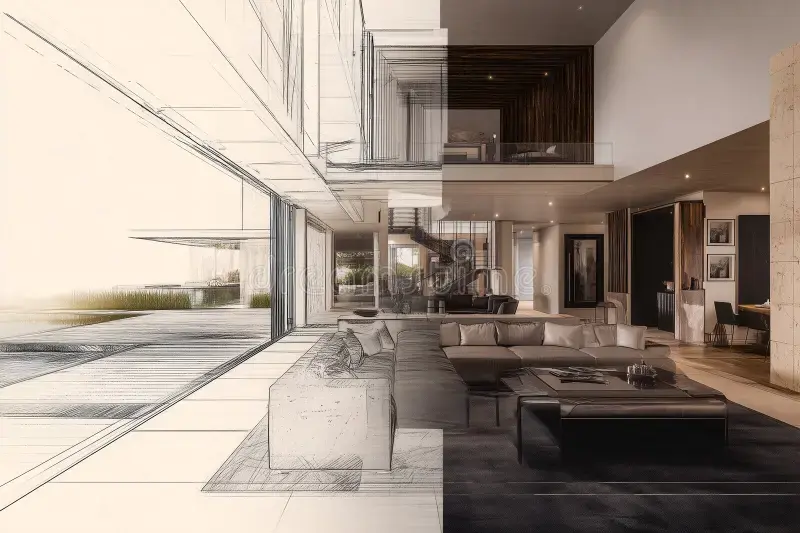
Hand sketch to AI Rendering
Why Human Creativity Holds a Special Place
Human creativity is tied to experience, emotion, and intention. When an artist draws a character, they don’t just create shapes and colous. They embed stories, feelings, and personality into every line. This emotional connection gives the work a life beyond its physical form. AI, on the other hand, generates images or text based on patterns learned from data. It can mimic styles and combine elements in new ways, but it lacks genuine feelings or personal experiences.
For example, a drawing of a smiling child by a parent carries a warmth that resonates because of the creator’s love and memories. AI can produce a similar image, but it cannot feel or express that love. The energy and character in human-made art come from the creator’s unique perspective, something AI cannot replicate.
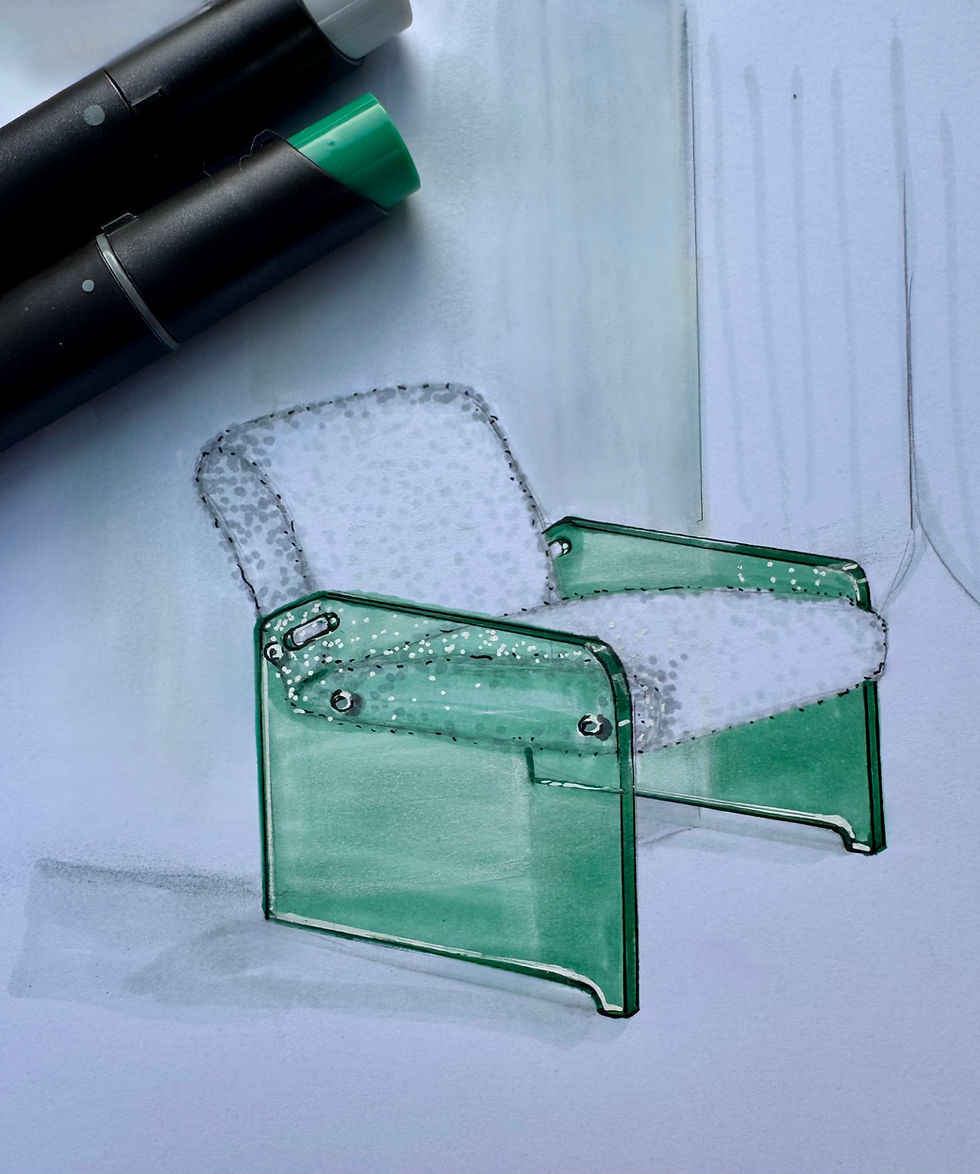
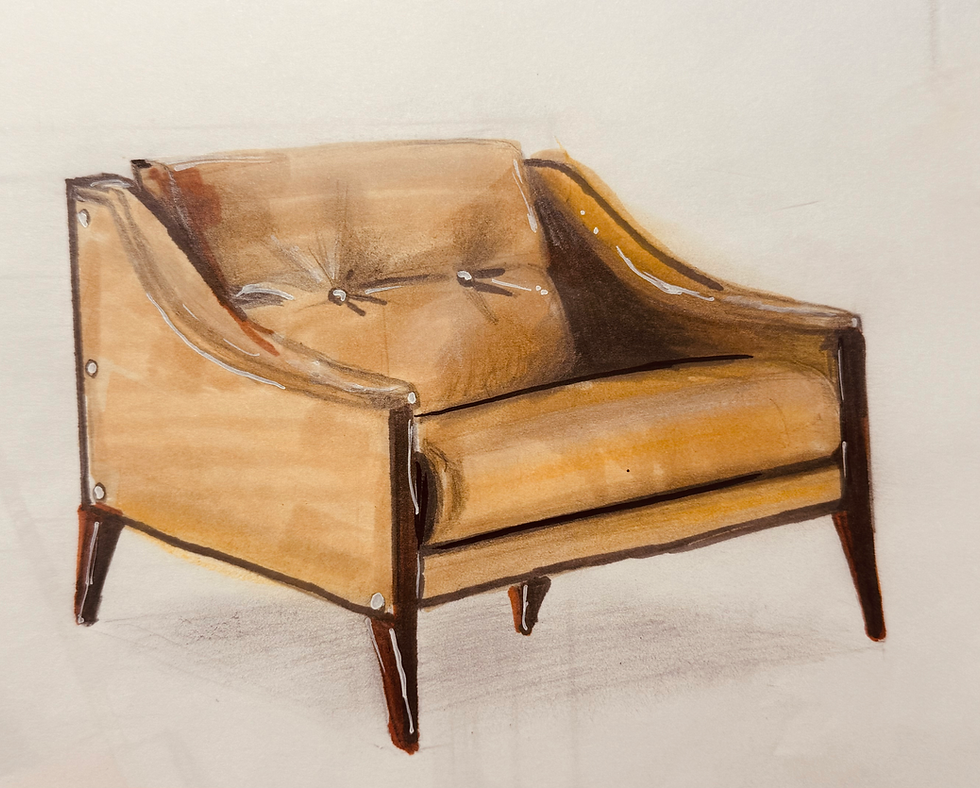
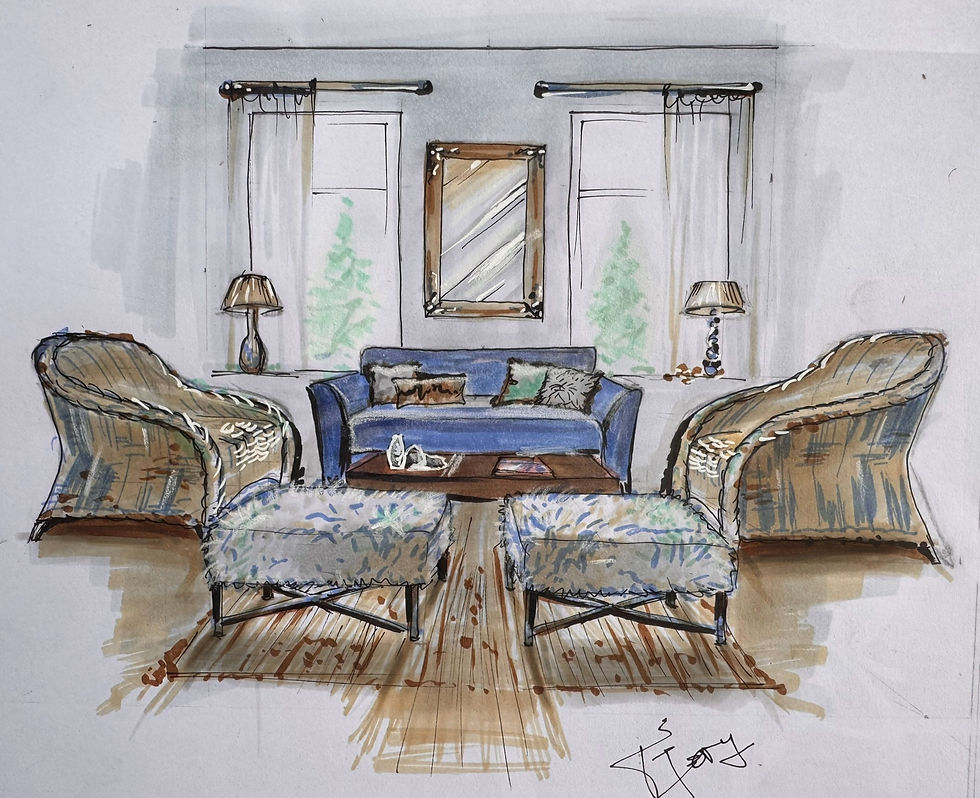
Ink Markers for ultimate hand sketching by Theodora J
How AI Supports Creativity Without Replacing It
AI tools can be powerful assistants in the creative process. They help artists experiment with ideas faster, generate variations, or overcome creative blocks. For instance, AI can suggest color palettes, create rough drafts, or even compose music based on user input. This support allows creators to focus on refining their vision and adding personal touches.
Consider a writer using AI to generate story ideas. The AI might offer plot suggestions, but the writer chooses which ideas to develop, shapes the characters, and infuses the narrative with emotion. The final story reflects the writer’s voice, not the AI’s. In this way, AI enhances creativity by providing new possibilities without replacing the human element.
The Limits of AI Creativity
AI’s creativity depends on the data it learns from. It cannot invent truly original concepts or feelings because it lacks consciousness and lived experience. AI-generated art often feels derivative or formulaic because it recombines existing patterns rather than creating something entirely new.
Moreover, AI cannot understand context or cultural nuances the way humans do. A painting or poem that resonates in one culture might not in another, and humans can navigate these subtleties with empathy and insight. AI struggles with this level of understanding, which limits its ability to create meaningful work that connects deeply with people.
Examples of Human Creativity That AI Cannot Replace
Handcrafted art: A ceramic pot shaped by hand carries the marks of the maker’s touch, imperfections, and personality. AI cannot replicate this tactile connection.
Improvisational music: Jazz musicians create spontaneous melodies based on emotion and interaction with other players. AI can generate music but lacks the ability to respond emotionally in real time.
Personal storytelling: Memoirs and personal essays reflect individual memories and feelings. AI can write stories but cannot share genuine personal experiences.
These examples show how creativity is more than output — it’s about connection, expression, and human presence.
Looking Ahead: Collaboration Between AI and Humans
The future of creativity likely involves collaboration between AI and people. AI can handle repetitive tasks, generate ideas, and offer new perspectives. Humans bring judgment, emotion, and originality. Together, they can push creative boundaries further than either could alone.
Artists who embrace AI as a tool rather than a replacement find new ways to express themselves. They use AI to explore styles, speed up workflows, or experiment with concepts. This partnership keeps the human spark alive while benefiting from technology’s strengths.
Comments